
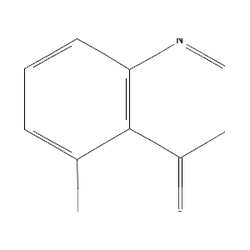
SL-164 Stats & Data
Clc1ccc(c(C)c1)n1c(C)nc2cccc(Cl)c2c1=OKUIHLOHNUGOCTO-UHFFFAOYSA-NTolerance & Pharmacokinetics
drugs.wikiNo tolerance chart. Our decay curves for these drugs were estimates, and a curve can make tolerance look longer-lasting than it is, which is the dangerous direction.
How fast tolerance to these drugs fades after a break has not been measured well enough to draw, so don't count on a dose you used to take still being safe: after time off, start with a much smaller amount and don't use alone. Mixing sedatives with each other, with alcohol or with opioids sharply raises the risk of a fatal overdose. If you've been using regularly, don't stop suddenly: withdrawal from benzodiazepines, alcohol or GHB/GBL can cause seizures or delirium, so get medical help to cut down gradually.
Sources: FRANK: benzodiazepines · Alcohol and Drug Foundation: GHB · FDA 2020: benzodiazepine boxed warning · FDA 2019: gabapentinoids and breathing · NHS: alcohol use disorder
Cross-Tolerances
Harm Reduction
drugs.wikiPharmacology is presumed similar to methaqualone: a quinazolinone that potentiates GABAA receptors via transmembrane sites, which explains sedation, motor impairment, and synergy with other depressants. This mechanism predicts additive respiratory depression when combined with alcohol, opioids, benzodiazepines, barbiturates, or GHB/GBL—combinations strongly linked to fatal overdoses in the depressant class. Multiple user reports and forum moderator warnings describe prominent myoclonic jerks/twitching and, at higher doses or with redosing/mixes, seizures; this risk appears greater than with many prescribed hypnotics. Delayed onset (often 60–90 minutes) has led some to redose prematurely; stacking increases adverse effects and blackout risk. Several reports note that even small amounts of alcohol can abruptly potentiate effects; avoid any co-depressants. Insufflation is frequently described as caustic with unpredictable absorption and more abrupt adverse effects; oral use with accurately weighed doses is safer from a harm-reduction standpoint. Because this is an unregulated RC, potency and identity may vary by batch; reagent kits may not distinguish quinazolinones reliably, and only accredited drug checking (GC/MS, LC-MS) can confirm contents—these services also have detection limits and sampling caveats. If someone becomes unresponsive or severely sedated, keep the airway clear and use the recovery position while calling emergency services; do not give additional depressants. If seizures occur, do not place anything in the person’s mouth; seek emergency care—benzodiazepines are used in clinical settings by professionals, but unsupervised self-administration can worsen respiratory depression. Expect residual sedation and psychomotor impairment the next day; avoid driving or hazardous tasks until fully recovered. Frequent use can produce tolerance and withdrawal-like rebound (anxiety/insomnia), so leave multi-day gaps and avoid daily dosing.
References
Cited references
- Isomer Design – Dicloqualone (SL-164)
- Erowid – Methaqualone: Basics
- Erowid – Methaqualone: Dosage & cautions
- TripSit – Drug combinations (depressants & polydepressant risks)
- Reddit r/researchchemicals – First SL‑164 experience (twitching; 130 mg; beer potentiation)
- Reddit r/researchchemicals – SL‑164 reasonable report (twitching at low dose)
- Reddit r/researchchemicals – 500 mg SL‑164: seizure/ER (insufflation burns)
- Bluelight – SL‑164 Dicloqualone (moderator warning: tendency to cause seizures)
- NCBI/PMC – Structural insights into GABAA potentiation by methaqualone
- Drug Users Bible – 10 Commandments of Safer Drug Use (mg scales/volumetric dosing)
- Drug Checking Community – Service/technology limitations (detection limits, sampling)
- DrugWise – Recovery position / harm reduction guidance
- Erowid – Bupropion basics (dose-related seizure risk)
- Erowid – Tramadol health & seizure warnings
- Erowid – Venlafaxine basics (may lower seizure threshold)