
Olanzapine Stats & Data
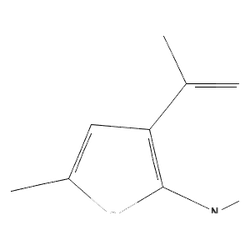
CN1CCN(CC1)C1=Nc2ccccc2Nc2sc(C)cc12KVWDHTXUZHCGIO-UHFFFAOYSA-NPharmacology
DrugBankDescription
Olanzapine is a thienobenzodiazepine classified as an atypical or second-generation antipsychotic agent. The second-generation antipsychotics were introduced in the 90s and quickly gained traction due to their impressive efficacy, reduced risk for extrapyramidal side effects and reduced susceptibility to drug-drug interactions. Olanzapine very closely resembles clozapine and only differs by two additional methyl groups and the absence of a chloride moiety. It was discovered by scientists at Eli Lilly and approved to be marketed in the US in 1996.
Mechanism of Action
The activity of olanzapine is achieved by the antagonism of multiple neuronal receptors including the dopamine receptor D1, D2, D3 and D4 in the brain, the serotonin receptors 5HT2A, 5HT2C, 5HT3 and 5HT6, the alpha-1 adrenergic receptor, the histamine receptor H1 and multiple muscarinic receptors. As abovementioned, olanzapine presents a wide profile of targets, however, its antagonistic effect towards the dopamine D2 receptor in the mesolimbic pathway is key as it blocks dopamine from having a potential action at the post-synaptic receptor. The binding of olanzapine to the dopamine D2 receptors is easily dissociable and hence, it allows for a certain degree of dopamine neurotransmission. On the other hand, olanzapine acts in the serotonin 5HT2A receptors in the frontal cortex in a similar manner than the reported on dopamine D2 receptors. This determined effect allows for a decrease in adverse effects.
Pharmacodynamics
The effect of olanzapine in the D2 receptor is reported to produce the positive effects of this drug such as a decrease in hallucinations, delusions, disorganized speech, disorganized thought, and disorganized behavior. On the other hand, its effect on the serotonin 5HT2A receptor prevents the onset of anhedonia, flat affect, alogia, avolition and poor attention. Based on the specific mechanism of action, olanzapine presents a higher affinity for the dopamine D2 receptor when compared to the rest of the dopamine receptor isotypes. This characteristic significantly reduces the presence of side effects. Clinical trials for the original use of olanzapine demonstrated significant effectiveness in the treatment of schizophrenia and bipolar disorder in adults and acute manic or mixed episodes associated with bipolar disorder in adolescents. The effect of olanzapine on dopamine and serotonin receptors has been suggested to reduce chemotherapy-induced nausea and vomiting as those receptors are suggested to be involved in this process. For this effect, several clinical trials have been conducted and it has been shown that olanzapine can produce a significant increase in total control of nausea and vomiting. In a high-level study of the effect of olanzapine for this condition, a complete response on the delay phase was observed in 84% of the individual and control of emesis of over 80% despite the phase.
Metabolism
Olanzapine is greatly metabolized in the liver, which represents around 40% of the administered dose, mainly by the activity of glucuronide enzymes and by the cytochrome P450 system. From the CYP system, the main metabolic enzymes are CYP1A2 and CYP2D6. As part of the phase I metabolism, the major circulating metabolites of olanzapine, accounting for approximate 50-60% of this phase, are the 10-N-glucuronide and the 4'-N-desmethyl olanzapine which are clinically inactive and formed by the activity of CYP1A2. On the other hand, CYP2D6 catalyzes the formation of 2-OH olanzapine and the flavin-containing monooxygenase (FMO3) is responsible for N-oxide olanzapine. On the phase II metabolism of olanzapine, UGT1A4 is the key player by generating direct conjugation forms of olanzapine.
Absorption
Olanzapine presents a linear pharmacokinetic profile and, after daily administration, it reaches steady-state in about a week. Under the administration of a normal dosage of olanzapine, the steady-state plasma concentration does not seem to exceed 150 ng/ml with an AUC of 333 ng/h/ml. The absorption of olanzapine is not affected by the concomitant administration of food. The pharmacokinetic profile of olanzapine is characterized by reaching peak plasma concentration of 156.9 ng/ml approximately 6 hours after oral administration.
Indication
Olanzapine was initially used orally and intramuscularly for the chronic treatment of schizophrenia in patients over 13 years old and other psychiatric disorders such as bipolar I disorder including mixed or manic episodes. Olanzapine is also indicated, in combination with lithium or valproate for the short-term treatment of acute manic or mixed episodes associated with bipolar I disorder in adults. As well, olanzapine is indicated, in combination with fluoxetine for the treatment of episodes of depression associated with bipolar disorder type 1 and treatment-resistant depression in patients over 10 years old. Olanzapine is also approved for the management of psychomotor agitation associated with schizophrenia and bipolar I mania. Schizophrenia is a complex biochemical brain disorder that affects the person's ability to differentiate reality. It is usually observed as the presence of delusions, hallucinations, social withdrawal and disturbed thinking. Bipolar disorder is a mental health condition defined by periods of extreme mood disturbances. It is categorized in different types from which type 1 is known to involve episodes of severe mania and often depression while type 2 presents less severe forms of mania.
Half-life
Olanzapine presents a half-life ranging between 21 to 54 hours with an average half-life of 30 hours.
Protein Binding
Olanzapine is largely bound to plasma proteins and hence, about 93% of the administered dose is bound. The main proteins for binding are albumin and alpha-1 acid glycoprotein.
Elimination
Olanzapine is mainly eliminated through metabolism and hence, only 7% of the eliminated drug can be found as the unchanged form. It is mainly excreted in the urine which represents around 53% of the excreted dose followed by the feces that represent about 30%.
Volume of Distribution
The volume of distribution of olanzapine is reported to be of 1000 liters which indicate a large distribution throughout the body.
Clearance
The mean clearance rate of olanzapine is of 29.4 L/hour however, some studies have reported an apparent clearance of 25 L/h.
Measured Affinities
Guide to PHARMACOLOGYMeasured binding and functional data for olanzapine, curated by the IUPHAR/BPS Guide to PHARMACOLOGY. Each row cites the paper it came from. Lower concentrations mean tighter binding — a value in the sub-nanomolar range indicates a very potent interaction.
| Target | Action | Measure | Value | Concentration | Species | Source |
|---|---|---|---|---|---|---|
| D2 receptor DRD2 | Antagonist | pKi | 8.68 | 2.09 nM | Human | PMID 9430133 |
| 5-HT6 receptor HTR6 | Inverse agonist | pKi | 8 | 10 nM | Human | — |
| α1A-adrenoceptor Adra1a | Antagonist | pA2 | 7.4 | 39.81 nM | Rat | PMID 18542932 |
| 5-HT1F receptor HTR1F | Full agonist | pKi | 6.5 | 316.23 nM | Human | PMID 8935801 |
| 5-HT7 receptor HTR7 | Antagonist | pKi | 6.5 | 316.23 nM | Human | PMID 9720804 |
| α1D-adrenoceptor Adra1d | Antagonist | pA2 | 6.4 | 398.11 nM | Rat | PMID 18542932 |
| 5-HT1B receptor HTR1B | Full agonist | pKi | 6.3 | 501.19 nM | Human | PMID 8935801 |
| 5-HT1D receptor HTR1D | Full agonist | pKi | 6.2 | 630.96 nM | Human | PMID 8935801 |
| 5-ht1e receptor HTR1E | Full agonist | pKi | 5.7 | 1,995 nM | Human | PMID 8935801 |
| 5-HT1A receptor HTR1A | Full agonist | pKi | — | — | Human | — |
| 5-HT2A receptor HTR2A | Antagonist | pKi | — | — | Human | — |
| 5-HT2C receptor HTR2C | Inverse agonist | pKi | — | — | Human | — |
| 5-HT6 receptor Htr6 | Inverse agonist | pKi | — | — | Rat | — |
| 5-HT7 receptor Htr7 | Antagonist | pKi | — | — | Rat | — |
| H1 receptor HRH1 | Antagonist | pKi | — | — | Human | — |
Reading this. pKi, pEC50 and pIC50 are negative log molar values, so a higher number means a tighter interaction; the concentration column converts them for you. Values from non-human species are laboratory measurements and do not translate directly to human effect. Receptor affinity is not a dose — it describes what a molecule binds, not how much of it is safe to take.
Receptor data from the IUPHAR/BPS Guide to PHARMACOLOGY (v2026.2), licensed CC BY-SA 4.0. Matched to this substance by PubChem CID.
Olanzapine has a low potential for toxicity when prescribed alone. However, there are case reports which found olanzapine toxicity caused by high doses of the medication when taken in conjunction with other medicines. According to the product labeling and postmarketing reports, the following are the features of olanzapine toxicity. Serum concentration of olanzapine >0.1 mg/L is toxic and serum concentration>1 mg/L can be fatal.
Carcinogenicity
Not listed by IARC.
Liver injury risk
Low concern (rare serious cases reported)
Toxicity (DrugBank)
The toxicity symptoms of olanzapine are known to include somnolence, mydriasis, blurred vision, respiratory depression, hypotension, extrapyramidal symptoms and anticholinergic effects. The overdosage effects in children are generally associated with more significant side effects. The maximum registered dosage of olanzapine in clinical trials was of 300 mg and it was reported to present drowsiness and slurred speech. However, on post-marketing surveillance, a wide range of symptoms have been presented including agitation, dysarthria, tachycardia, extrapyramidal symptoms, and reduced consciousness. One case of overdosage-driven death was reported after ingestion of 450 mg of olanzapine. In the cases of acute overdosage, the establishment of adequate oxygenation and ventilation, gastric lavage and administration of activated charcoal with a laxative is recommended. In carcinogenesis studies, olanzapine was showed to present an increase in the incidence of liver hemangiomas and hemangiosarcomas as well as mammary gland adenomas, and adenocarcinomas. On fertility studies, there was solely found impairment in male mating performance and delays in ovulation. There is no evidence of mutagenic, genotoxic potential not adverse events on fertility.
Health effects (PubChem excerpts)
The principal side effect of olanzapine is weight gain, which may be profound in some cases and/or associated with derangement in the blood lipid and blood sugar profiles. Extrapyramidal side effects, although potentially serious, are infrequent to rare from olanzapine but may include tremors and muscle rigidity. Several patient groups are at a heightened risk of side effects from olanzapine and antipsychotics in general. Olanzapine may produce non-trivial hyperglycemia in patients with diabetes mellitus. Likewise, the elderly are at a greater risk of falls and accidental injury. Young males appear to be at heightened risk of dystonic reactions, although these are relatively rare with olanzapine. Most antipsychotics, including olanzapine, may disrupt the body's natural thermoregulatory systems, thus permitting excursions to dangerous levels when situations (exposure to heat, strenuous exercise) occur. While olanzapine is used therapeutically to treat serious mental illness, occasionally it can have the opposite effect and provoke serious paradoxical reactions in a small subgroup of people, with the drug causing unusual changes in personality, thoughts or behavior; hallucinations and suicidal ideation have also been linked to olanzapine use. The U.S. Food and Drug Administration requires all atypical antipsychotics to include a warning about the risk of developing hyperglycemia and diabetes, both of which are factors in the metabolic syndrome. These effects may be related to the drugs' ability to induce weight gain, although there are some reports of metabolic changes in the absence of weight gain. Olanzapine has demonstrated carcinogenic effects in multiple studies when exposed chronically to female mice and rats, but not male mice and rats. The tumors found were in either the liver or mammary glands of the animals. Symptoms of an overdose include tachycardia, agitation, dysarthria, decreased consciousness and coma. Death may result from acute overdose. (Wikipedia)
Tolerance & Pharmacokinetics
drugs.wikiWith occasional use, pharmacodynamic tolerance is minimal; daily therapy over weeks leads to appreciable tolerance to sedation and other effects.
Experience Report Analysis
ErowidDemographics
Gender Distribution
Age Distribution
Reports Over Time
Effect Analysis
ErowidEffects aggregated from 41 experience reports (41 single-substance Erowid)
Effect Sentiment Distribution
Confidence Distribution
Each bar is the share of reports mentioning the effect; its whisker, and the band on the rows below, is the 95% interval: where the share could plausibly be with other reports of the same kind.
Positive Effects 3
Adverse Effects 4
Show 2 neutral or unclassified mentions
Also reported in combinations. In the 19 Olanzapine reports where another drug was taken too, 2 mention hospital, emergency services or an overdose, 0 a seizure and 8 psychosis (too few reports for percentages). In the 41 single-substance reports: 17.1%, 0.0% and 34.1%. These are not in the figures above: they cannot be put down to Olanzapine alone, and a mention is not always something that happened to the writer.
Dose-Response Correlation
How effect frequency changes across dose levels. Whiskers, and the numbers' hover text, give each figure's 95% interval.
Not drawn, too few reports (a dose tier needs 20): Oral Strong (n=10), Oral Heavy (n=10). Why 20?
Dosage Distribution
Dose distribution from experience reports, one dose per report (the first listed). Doses above Q3 + 3×IQR, far above what people typically take, are left out of the median and range and listed under each route: most are real heavy doses or overdoses, not mistakes.
1 report gave a dose above the typical range (200 mg), so it is not in the figures above. It mentions hospital, emergency services or an overdose. Listing a dose here does not mean it is safe.
Show the report
- 200 mg · mentions hospital, emergency services or an overdose
Real-World Dose Distribution
ErowidFrom 66 of 74 recorded dose entries: those that state a weight (mg, g or µg), in routes with at least five of them. Values above Q3 + 3×IQR, far above what people typically take, are left out; they can include real heavy doses and overdoses, not only mistakes.
Oral (n=65)
Common Combinations
Most co-occurring substances, as a share of all 60 reports filed under Olanzapine; whiskers are 95% intervals
Form / Preparation
Most common forms and preparations, as a share of the 26 reports that give one; whiskers are 95% intervals
Body-Weight Dosing
Dose per kg of body weight, one dose per report (the first listed), from reports giving a weight of 30–250 kg. Doses above Q3 + 3×IQR, far above what people typically take, are left out of the median and range and listed under each route.
2 reports gave a dose above the typical range (0.787–3.676 mg/kg), so they are not in the figures above. 1 of them mentions hospital, emergency services or an overdose. Listing a dose here does not mean it is safe.
Show the reports
- 3.676 mg/kg · mentions hospital, emergency services or an overdose
- 0.787 mg/kg
Redose Patterns
Redosing behavior across 50 reports
Harm Reduction
drugs.wikiReasoning for harm‑reduction additions (with sources): 1) Long half‑life means next‑day impairment is plausible; most adults exhibit a 21–54 h elimination half‑life (mean ~30 h), so sedation/cognitive slowing can linger into the following day. Advise against driving, climbing, or operating tools until fully alert. 2) IM olanzapine combined with benzodiazepines has post‑marketing signals of severe cardiorespiratory depression; authoritative summaries advise against parenteral co‑administration. Keep at least an hour separation in clinical settings and avoid DIY IM use. 3) CNS depressant stacking raises overdose risk. Opioids, alcohol, gabapentinoids and sedating antihistamines add respiratory depression and hypotension; several case series show hypoxia and rare airway interventions after parenteral olanzapine, often amid polysubstance use. Keep the person on their side (recovery position), monitor breathing, and call emergency services if difficult to arouse, cyanotic, or with slow/irregular respirations. 4) Smoking status and CYP1A2 modulators change olanzapine exposure: tobacco smoke and carbamazepine can lower levels and reduce effectiveness, while fluvoxamine and ciprofloxacin can increase levels and sedation. Sudden smoking cessation can increase exposure; dose‑sensitivity may rise in non‑smokers. 5) QT risk: meta‑analyses suggest olanzapine has minimal QT prolongation at licensed doses; however, when combined with strong QT‑prolongers or in patients with electrolyte abnormalities, prudence (hydration, K/Mg repletion, ECG if symptomatic) is reasonable. 6) Metabolic harms accumulate with repeated use (weight gain, insulin resistance, dyslipidemia). This argues against frequent ‘trip‑abort’ reliance; prefer non‑pharmacologic de‑escalation first and reserve olanzapine for rare crises. Monitor weight and glucose if usage becomes recurrent. 7) Overdose can mimic opioid toxicity (miosis, respiratory depression, coma). In suspected overdose, prioritize airway/ventilation and seek urgent care; activated charcoal can meaningfully reduce AUC if given early in medical settings. Do not give stimulants to ‘counteract’ sedation. 8) ODT specifics: Zyprexa Zydis disintegrates within seconds and is swallowed; absorption is gastrointestinal. This makes cheeking harder but does not guarantee trans‑mucosal delivery. 9) ‘Trip‑killing’: Community reports describe partial-to-complete attenuation of LSD/psilocybin within ~20–45 min after 5–10 mg PO/ODT, often followed by sleep; responses vary and some report paradoxical anxiety/delirium if taken late or at low doses. Start low (2.5–5 mg) if attempting, have a sober sitter, and avoid stacking sedatives. 10) Masking effect: When used during stimulant or empathogen intoxication, olanzapine may blunt the ‘high’ while not fixing hypertension/hyperthermia; seek medical help rather than assuming safety.
References
Cited references
- DrugBank DB00334 monograph
- Clin Pharmacokinet profile (half-life 21–54 h)
- StatPearls: Olanzapine (IM benzo caution; metabolic risks; PK)
- QT with atypical antipsychotics: evidence overview
- Zydis label excerpt (ODT disintegrates within seconds)
- StatPearls: Olanzapine toxicity features (miosis, respiratory depression)
- Bluelight: ‘Olanzapine to end a bad trip’ (community reports)
- Reddit r/LSD: ‘Trip killer Olanzapine’ experience
- Emergency department IV/IM olanzapine cohort (hypoxia uncommon but present)