
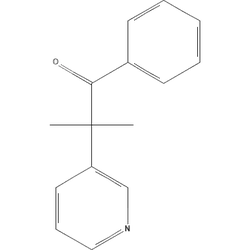
Receptor Profile
Receptor Actions
Effect Profile
CuratedStrong euphoria with mild anxiety/jitters, low focus
Tolerance & Pharmacokinetics
drugs.wikiTolerance Decay
Anecdotal reports suggest tolerance builds rapidly with consecutive-day use (2–3 days) and partially subsides over about a week, with near‑baseline after 10–14 days. Cross‑tolerance likely with other monoaminergic stimulants (cathinones/amphetamines). Data are low quality and user‑reported.
Harm Reduction
drugs.wikiEvidence reasoning for harm-reduction additions: (1) Data scarcity and naming: 2‑MPPP is a little‑documented piperidinyl ketone; Bluelight’s RC catalog lists ‘2‑mppp’ among NPS, indicating niche, user‑driven knowledge. This justifies conservative dosing and strong HR emphasis. (2) Avoid name confusion: ‘MPPP’ also names the opioid desmethylprodine; forum discussions around 4‑MePPP highlight historical confusion in trivial names. Users should label samples precisely to avoid opioid/stimulant mix‑ups. (3) Interactions: MAOIs with stimulants are high‑risk (hypertensive crises/serotonin toxicity); Tramadol with stimulants increases seizure risk; bupropion independently raises seizure risk with dose, so combining with stimulants is unwise. (4) Vascular/thermal risks: Cathinones like mephedrone can cause significant vasoconstriction at high/repeated doses and have case links to hyponatremia; advise moderate fluid/electrolyte intake and keeping cool while avoiding overhydration. (5) Drug checking: Unregulated-market samples are variable; reagent tests are limited and immunoassay drug screens are prone to false positives; confirm identity with professional drug checking (FTIR/GC‑MS) when available and confirm workplace/forensic positives via GC/MS. (6) ROA‑specific care: Insufflation damages nasal mucosa—saline irrigation after use reduces harm; rectal administration warrants dilution, lubrication, cleanliness, and lower starting doses. (7) General redose/comedown: Short-acting stimulants tempt redosing; plan session length, set a hard stop, and prioritize sleep, nutrition, and hydration post‑use. Sources supporting these points include: TripSit combo guidance; Erowid MAOI interaction summary; Erowid mephedrone health warnings on vasoconstriction/hyponatremia; Erowid drug testing basics and amphetamine-screen info; DUB nasal‑care; Hi‑Ground shelving/plugging safety; and Bluelight catalog/threads documenting NPS and naming confusion.
References
Cited References
Additional references
- Bluelight catalog of RCs lists “2‑mppp”
- Bluelight thread noting MPPP name confusion via 4‑MePPP
- Erowid — Interactions between MAOIs, SSRIs, and recreational drugs
- TripSit — Drug combinations chart (stimulants × tramadol/seizure risk; general stim combos)
- Erowid — Mephedrone health warnings: vasoconstriction with repeated/high doses; hyponatremia note; avoid strong stimulant combos
- Erowid — Drug Testing basics (immunoassay limits; confirm with GC/MS)
- Erowid — Amphetamine drug testing page (false positives and confirmations)
- Drug Users Bible — Nasal care and saline irrigation after insufflation
- Hi‑Ground (DanceWize) — Safer shelving/plugging practices